Analyzing Taiwan's Pacific Islands Forum Data Availability: Navigating the Information Gaps
In an increasingly interconnected world, accessing comprehensive and reliable data is crucial for understanding geopolitical dynamics. When it comes to the relationship between Taiwan and the Pacific Islands Forum (PIF), however, researchers and interested parties often encounter a unique challenge: a conspicuous scarcity of direct, readily available information. While Taiwan maintains significant bilateral ties and a historical presence in the Pacific, explicit mentions or detailed official data regarding its engagement specifically with the PIF as an institutional entity can be surprisingly elusive in common public information sources. This article delves into why such data gaps exist, where one might still uncover insights, and the broader implications for understanding Taiwan's strategic footprint in this vital region.
The Elusive Nexus: Why Direct "Taiwan Pacific Islands Forum" Data Is Scarce
The primary reason for the limited direct data on Taiwan's relationship with the Pacific Islands Forum stems from Taiwan's complex international status. Officially known as the Republic of China (ROC), Taiwan faces immense diplomatic pressure from the People's Republic of China (PRC), which adheres to a "One China" policy asserting Taiwan as an indivisible part of its territory. This policy heavily influences international organizations, including regional bodies like the PIF.
The Pacific Islands Forum, comprising 18 member states, largely adheres to diplomatic norms that acknowledge the PRC. As a result, Taiwan is not a full member of the PIF and does not typically participate in its formal intergovernmental meetings in the same capacity as sovereign states. While the PIF does engage with a variety of external partners, often referred to as "Post-Forum Dialogue Partners," Taiwan's direct inclusion in this specific framework has historically been complicated by the PRC's influence. This delicate diplomatic tightrope means official PIF communiques or reports might reference engagement with "partners" generally, but rarely specify Taiwan in a manner that would generate easy search results for "Taiwan Pacific Islands Forum."
- Diplomatic Realities: Taiwan's diplomatic isolation from many international bodies limits direct, official engagement.
- "One China" Policy: The PRC's influence often prevents explicit recognition or inclusion of Taiwan in forums where the PRC is also present or wields significant sway.
- PIF's Balancing Act: Forum members navigate complex relationships with both Beijing and Taipei, often opting for quiet bilateral engagements over overt institutional ties with Taiwan.
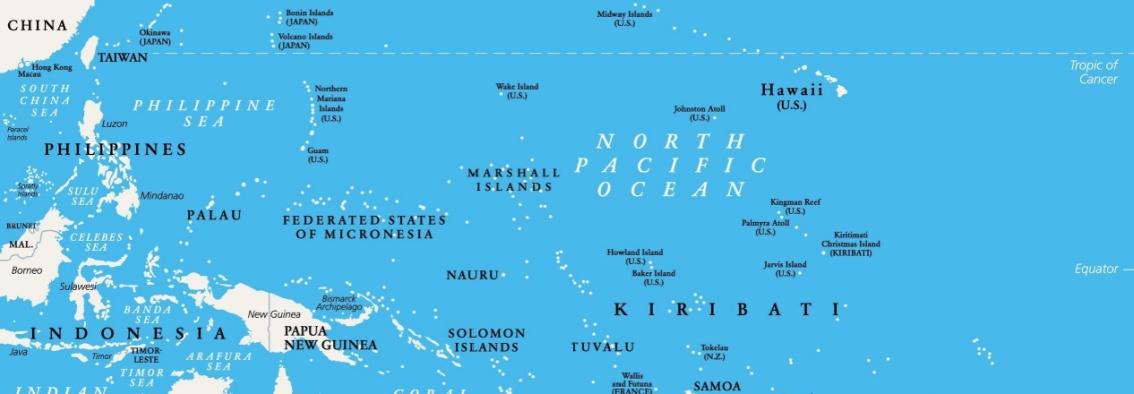
Therefore, while Taiwan maintains a robust presence through its remaining diplomatic allies in the Pacific (currently Palau, Marshall Islands, Tuvalu, and Nauru), and provides substantial development assistance, this engagement is often channeled bilaterally rather than through the multilateral PIF framework. This distinction is crucial for understanding why direct data specifically linking "Taiwan Pacific Islands Forum" might be hard to find.
Where to Look Beyond Direct Mentions: Uncovering Taiwan's Pacific Footprint
Despite the challenges in finding explicit "Taiwan Pacific Islands Forum" data, a wealth of information exists if one knows where to look and how to interpret it. The key is to broaden the search parameters beyond direct institutional links and focus on Taiwan's broader engagement in the Pacific. For a deeper dive into this specific challenge, exploring resources like Taiwan Pacific Islands Forum: Understanding Information Gaps can provide valuable context.
Strategies for Information Discovery:
- Bilateral Relations with Pacific Allies: Taiwan maintains full diplomatic relations with several PIF member states. Information regarding Taiwan's interactions with these countries – Palau, Marshall Islands, Tuvalu, and Nauru – is often publicly available. Look for news releases, joint statements, and reports from Taiwan's Ministry of Foreign Affairs (MOFA) concerning these nations.
- Development Aid and Cooperation Projects: Taiwan has a long history of providing significant development assistance to its Pacific allies, spanning areas like agriculture, fisheries, healthcare, education, and infrastructure. Searching for "Taiwan aid Pacific," "Taiwan medical mission [country name]," or "Taiwan technical cooperation South Pacific" can reveal numerous projects and their impacts. These initiatives, while bilateral, collectively demonstrate Taiwan's commitment to the region.
- Academic Research and Think Tank Reports: Scholars and policy analysts often bridge the gaps left by official data. Universities, regional studies centers, and think tanks (e.g., Lowy Institute, Asia-Pacific Foundation of Canada) frequently publish reports and articles analyzing Taiwan's role in the Pacific, its diplomatic challenges, and its strategic interests. These sources can offer nuanced perspectives not found in official statements.
- Regional Media Outlets: Local news sources in Pacific Island nations are invaluable. They often report on visits by Taiwanese officials, the inauguration of Taiwanese-funded projects, or local perspectives on Taiwan's presence. Monitoring outlets like the Fiji Times, Samoa Observer (even if not an ally, they might report on regional dynamics), or specific news agencies in Taiwan's diplomatic partners can provide granular details.
- Taiwan's Representative Offices: Although Taiwan does not have embassies in all PIF nations, its representative offices in allied countries or even trade offices in others serve as hubs for engagement. Their public reports or event summaries can offer insights.
Understanding the Stakes: Geopolitical Context and Implications
The persistent information gap surrounding Taiwan and the Pacific Islands Forum isn't just a research inconvenience; it reflects deep geopolitical currents. The Pacific region has emerged as a critical arena for strategic competition, primarily between China and the United States and its allies (including Taiwan). For Taiwan, maintaining its diplomatic presence in the Pacific is existential, as these few remaining allies provide crucial international recognition and support in global forums like the United Nations.
Taiwan's engagement in the Pacific is characterized by its emphasis on genuine partnership, democratic values, and sustainable development, often contrasted with the PRC's "chequebook diplomacy." The lack of direct PIF data, therefore, masks an active and significant presence that has profound implications for regional stability, governance, and the self-determination of small island developing states. Analyzing this relationship requires appreciating the subtle power dynamics at play, where informal channels and bilateral agreements often stand in for formal multilateral recognition.
The PIF itself plays a central role in articulating regional priorities, such as climate change, ocean health, and sustainable development. While Taiwan may not sit at the PIF's main table, its contributions to these very issues through its bilateral programs are substantial and directly align with many of the Forum's stated goals. Understanding this parallel engagement is key to grasping Taiwan's overall impact.
Practical Strategies for Data Discovery and Analysis
To effectively analyze Taiwan's engagement with the Pacific Islands, researchers must adopt a multi-faceted approach. It requires patience, critical thinking, and a willingness to synthesize information from various sources. Here are some actionable tips:
- Focus on Specific Bilateral Relationships: Instead of searching broadly for "Taiwan Pacific Islands Forum," target your research on Taiwan's relations with its four Pacific diplomatic allies: Palau, Marshall Islands, Tuvalu, and Nauru. Each country has unique dynamics and areas of cooperation.
- Utilize Diverse Keyword Combinations: Expand your search terms beyond direct forum mentions. Consider phrases like "Taiwan Pacific development," "ROC Pacific assistance," "Taiwan-Pacific health cooperation," or "Taiwan climate change adaptation Pacific."
- Leverage Multilateral Organization Reports: While Taiwan isn't directly recognized, reports from international bodies like the Asian Development Bank, the World Bank, or even UN agencies operating in the Pacific may indirectly reference or provide context to development projects that Taiwan is also involved in, or highlight regional needs that Taiwan addresses.
- Engage with Area Experts and Academia: Connect with academics, journalists, and policy analysts specializing in Taiwan and Pacific Island affairs. They often possess unique insights, access to niche publications, and can guide you to less obvious data sources.
- Examine Taiwan's White Papers and Policy Documents: Taiwan's MOFA occasionally publishes white papers or official reports outlining its foreign policy priorities, including its engagement with the Pacific. While these might not directly mention the PIF, they will detail the strategic importance of the region and ongoing initiatives.
For more specific guidance on navigating these information landscapes, consider exploring resources like Where to Find Taiwan Pacific Islands Forum Insights.
Conclusion
The analysis of Taiwan's Pacific Islands Forum data availability reveals a paradox: a significant and active presence on the ground, yet a notable absence in direct institutional records. This stems from the complex diplomatic landscape shaped by the "One China" policy, forcing Taiwan to engage primarily through bilateral channels rather than multilateral forums like the PIF. Understanding this dynamic is crucial for any meaningful assessment of Taiwan's role in the Pacific. By adopting a creative and multi-pronged research strategy – focusing on bilateral aid, academic analyses, regional media, and strategic geopolitical contexts – it is entirely possible to piece together a comprehensive picture of Taiwan's enduring and vital engagement in this critical part of the world, offering valuable insights despite the initial information scarcity.