Navigating the Information Landscape: The Quest for Taiwan Pacific Islands Forum Insights
The geopolitical currents of the Pacific region are complex and ever-evolving, with Taiwan playing a significant, albeit often nuanced, role. For those seeking in-depth insights into Taiwan's engagement with its Pacific Island partners – an area sometimes colloquially, or perhaps aspirationally, referred to as the "taiwan pacific islands forum" – the path to comprehensive information can be less straightforward than one might expect. Unlike established multilateral bodies like the Pacific Islands Forum (PIF), which Taiwan is not a member of due to diplomatic constraints, Taiwan's interaction with the region primarily takes shape through bilateral ties, development projects, and specific partnerships. This article aims to guide researchers, policymakers, and interested individuals on where to uncover valuable insights into Taiwan's multifaceted presence in the Pacific, effectively illuminating the various avenues one can explore to understand what a "taiwan pacific islands forum" might represent in practice. The challenge, as highlighted by a review of general official and news sources, is the scarcity of direct content explicitly named "taiwan pacific islands forum." This doesn't mean the engagement isn't happening; rather, it indicates the need for a more granular and targeted approach to information gathering. Taiwan's unique international status necessitates a specific diplomatic strategy, often focusing on robust bilateral relations with its remaining diplomatic allies in the Pacific, alongside pragmatic cooperation with other island nations on specific issues. Therefore, understanding where to look means understanding the nature of these relationships and the platforms through which they are communicated.Deconstructing the "Taiwan Pacific Islands Forum" Concept
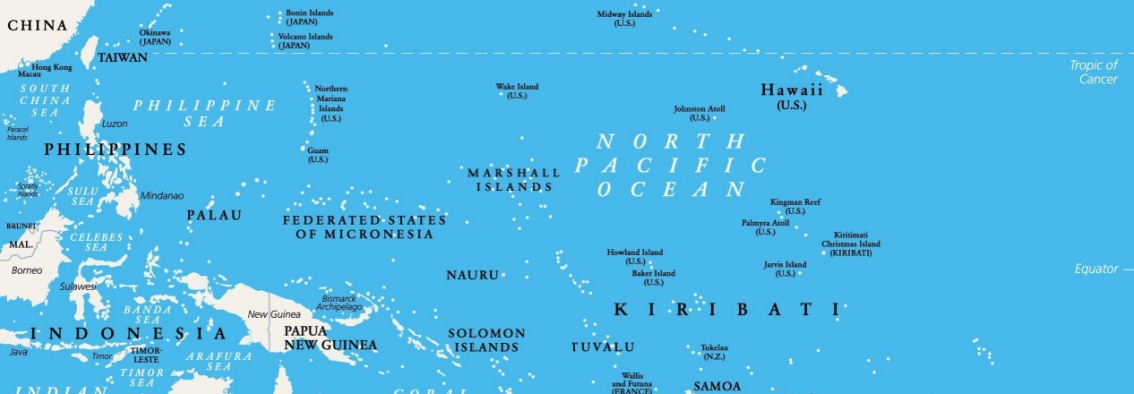
When individuals search for "taiwan pacific islands forum," they are likely seeking information on the collective impact, strategies, and dialogues concerning Taiwan and its Pacific Island partners. This could encompass: * Bilateral Diplomatic Relations: Taiwan maintains full diplomatic ties with several Pacific Island nations, including Palau, Tuvalu, the Marshall Islands, and Nauru. Information on these relationships forms the bedrock of any "taiwan pacific islands forum" understanding. * Development Aid and Cooperation: Taiwan is a significant provider of development assistance, technical expertise, and humanitarian aid to its allies and, in some cases, other regional partners. This includes projects in agriculture, fisheries, healthcare, education, and climate change resilience. * Cultural Exchange and People-to-People Ties: Beyond official statecraft, cultural programs, scholarships, and tourism foster deeper connections. * Geopolitical Dynamics: Taiwan's presence in the Pacific is often viewed through the lens of broader geopolitical competition, particularly with Beijing. Insights here involve understanding the strategic rationale behind Taiwan's engagement and the responses it elicits. Given that a singular, officially branded "Taiwan Pacific Islands Forum" in the mold of the PIF does not exist, researchers must piece together information from various sources that collectively paint a picture of Taiwan's engagement. This approach requires diligence and a willingness to explore beyond surface-level searches. For a deeper dive into the complexities of information availability, consider exploring resources that discuss Taiwan Pacific Islands Forum: Understanding Information Gaps.Primary Avenues for Uncovering Taiwan's Pacific Engagement Strategies
To truly grasp the dynamics and details of what an effective "taiwan pacific islands forum" might entail, one must look to the sources directly involved in or observing Taiwan's activities in the Pacific. These avenues offer the most authoritative and detailed insights:1. Taiwan's Ministry of Foreign Affairs (MOFA)
The official website of Taiwan's MOFA is the primary and most authoritative source for understanding Taiwan's foreign policy and diplomatic activities. This includes:
- Press Releases and Statements: MOFA regularly publishes news on diplomatic visits, aid announcements, joint statements with allied nations, and responses to regional developments. Searching for specific Pacific Island nations on their site can yield a wealth of information.
- Official Publications: MOFA often releases annual reports or white papers that detail Taiwan's international cooperation projects, including those in the Pacific.
- Ambassadorial Communications: The websites or social media channels of Taiwan's embassies and technical missions in its Pacific allies often provide localized news and project updates that might not make it to broader official press releases.
2. Official Websites of Pacific Island Nations
To gain a balanced perspective, it's crucial to consult the foreign ministries and government portals of Taiwan's diplomatic allies in the Pacific. Countries like Palau, Tuvalu, the Marshall Islands, and Nauru will have sections detailing their foreign relations, often specifically mentioning cooperation with Taiwan. Look for:
- Joint Communiqués: Statements issued after high-level meetings.
- Project Announcements: Details on specific development projects funded or supported by Taiwan.
- Parliamentary Records: Debates or discussions related to foreign aid and diplomatic ties can offer insights into the local perspective.
3. Academic Institutions and Think Tanks
Scholarly research offers in-depth analysis and historical context often missing from official statements. Institutions specializing in geopolitics, international relations, or specific regional studies are invaluable:
- Taiwanese Think Tanks: Institutions like the Taiwan Foundation for Democracy or the Prospect Foundation often host conferences, publish papers, and commission research on Taiwan's diplomatic efforts.
- International Universities and Research Centers: Universities with strong Pacific Studies programs (e.g., in Australia, New Zealand, the US, or within the Pacific itself) frequently publish on regional dynamics, including Taiwan's role. Examples include the Australian National University's Department of Pacific Affairs or the East-West Center.
- Journals and Publications: Academic journals focusing on Asian affairs, Pacific studies, or international development will often feature peer-reviewed articles analyzing Taiwan's engagement.
4. Specialized News and Analysis Outlets
Beyond general news headlines, several media organizations and analytical platforms offer focused coverage on the Pacific and Taiwan's place within it:
- Regional Pacific News: Outlets like The Fiji Times, RNZ Pacific (Radio New Zealand Pacific), or the Pacific Island Times often provide ground-level reporting from the region.
- Foreign Policy Focused Media: Publications like The Diplomat, Foreign Policy, or think tank publications will often carry analyses of Taiwan's strategic maneuvers in the Pacific.
- Development Aid Watchdogs: Organizations monitoring international aid flows might provide data and reports on Taiwan's development assistance.
5. International Organizations and NGOs (indirectly)
While Taiwan is often excluded from major UN-affiliated international organizations, its development projects sometimes align with broader international goals. Reports from NGOs working on issues like climate change, health, or sustainable development in the Pacific might mention Taiwan's contributions. This is a less direct but still valuable source of supplementary information.